The best time to think about LED maintenance is before the display is installed. Once a screen is wrapped around a corner, suspended overhead, or built into a retail fixture, every missing access point becomes expensive.
Flexible LED panels are not automatically hard to maintain. They simply punish poor planning faster than flat walls do.
Front Service vs Rear Service
Front service means technicians can access modules from the display side. Rear service means they need space behind the wall. In tight retail, corporate, transportation, and exhibition environments, front service can make a major difference.
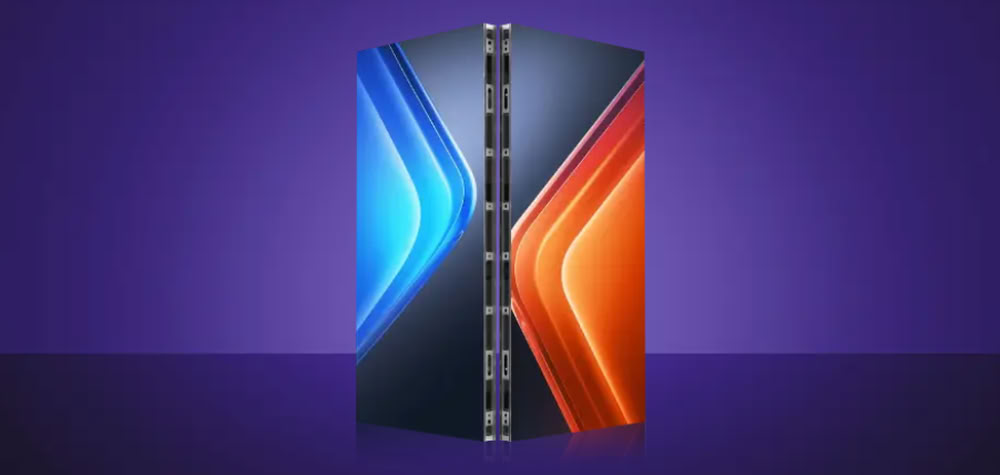
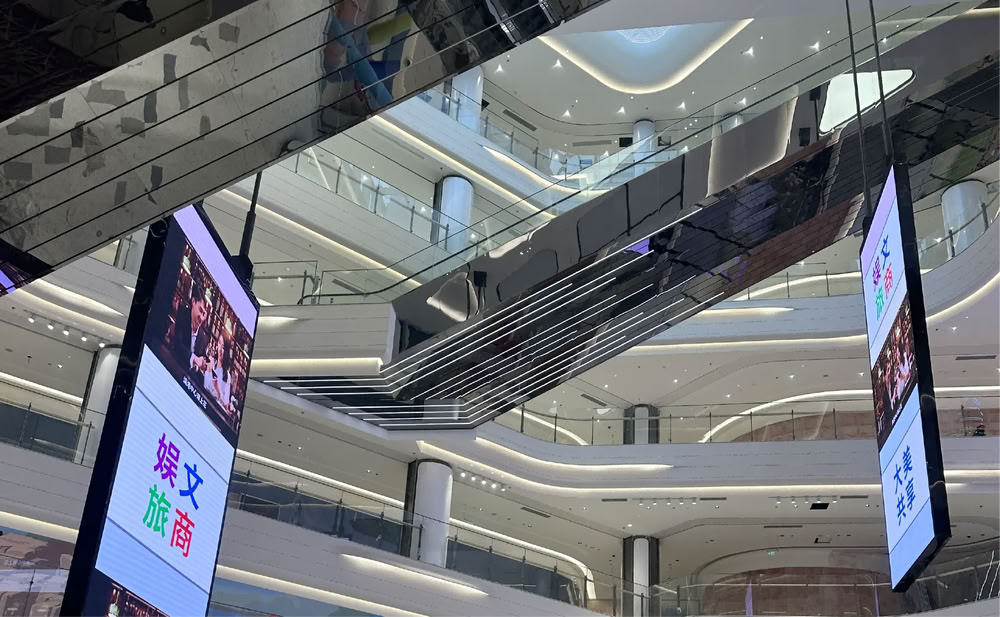
A double-sided or hanging display may need a different maintenance plan than a wall-mounted screen. Heat, cabling, access height, and public safety all matter.
For commercial indoor projects, a product such as Esdlumen BIM Plus-T/TX is worth reviewing because the page highlights flexible maintenance, heat dissipation, and commercial installation features.
Heat Is a Maintenance Issue
LED displays generate heat, and heat affects component life. Good thermal design helps preserve image consistency and reduce service problems.
According to NREL building energy documentation, real-world performance depends on operating conditions, schedules, and system design. That applies neatly to LED displays. A screen running twelve hours a day in a cool lobby faces a different maintenance profile than a display operating near sunlight, HVAC vents, or enclosed structures.
Heat planning should include ventilation, brightness settings, duty cycle, and access for inspection.
Spare Parts Are Not Optional
A professional LED installation should include spare modules, receiving cards, power supplies, cables, and documented configuration files. Without those, even a small failure can become a long outage.
For flexible panels, spare planning is even more important because specialty modules may not be interchangeable with standard flat panels. If the display uses corner pieces or unusual sizes, those parts should be included in the service package.
Cleaning and Public Contact
Flexible LED displays used in retail, museums, or transportation spaces may be close to the public. That raises the risk of dust, fingerprints, accidental bumps, and cleaning mistakes.
Cleaning should follow manufacturer guidance. Harsh chemicals, wet cloths, or abrasive materials can damage LED surfaces. In public spaces, protective design may matter as much as cleaning frequency.
Maintenance Planning Checklist
Before installation, confirm:
- Front or rear service access
- Spare parts list
- Heat dissipation path
- Module replacement method
- Control system backup
- Cleaning instructions
- Technician access after opening day
These details are not glamorous, but they decide whether the screen remains an asset or becomes a recurring headache.
The Honest Answer
Flexible LED panels are not hard to maintain when access, heat, and spare parts are planned from the start. They become difficult when design teams focus only on shape and leave service to chance.
For commercial spaces that need flexible installation and practical service planning, the indoor commercial dual-side display category is a sensible place to begin comparing maintenance-friendly options.
A flexible LED display should be designed for the people who see it and the people who have to keep it running.