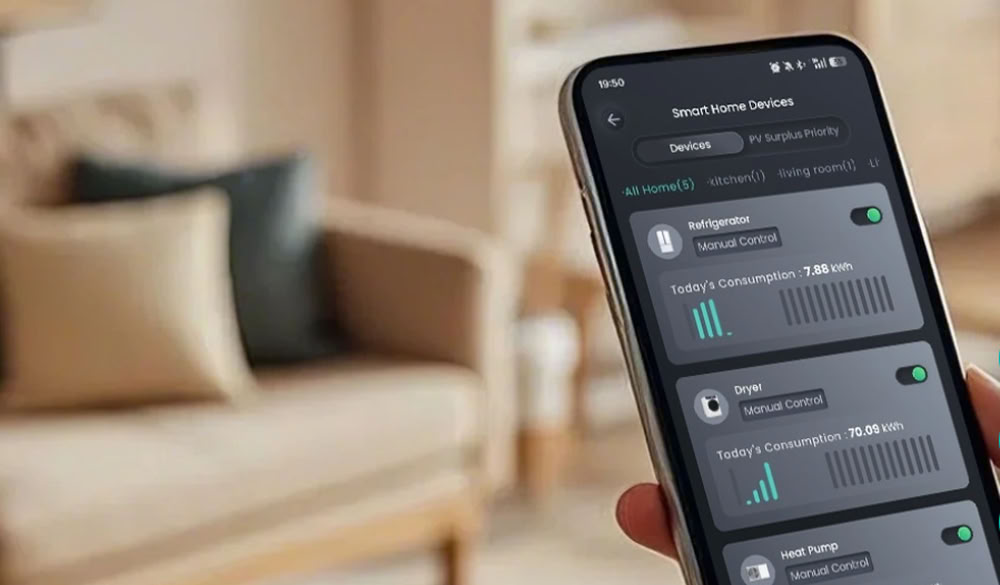
Not every energy-saving opportunity looks dramatic. A pool pump that runs at the wrong time, an HVAC system that recovers during peak pricing, or a water heater that cycles after sunset can quietly shape the bill. A home energy monitor helps identify those flexible loads.
A flexible load is electricity use that can move in time without causing a major problem. It does not mean the load is unimportant. It means timing can be adjusted.
Look for Repeat Patterns
The best candidates usually repeat. A pool pump runs every day. HVAC follows weather and thermostat settings. A water heater responds to household routines. Laundry and dishwashing often cluster around evenings. Once a monitor reveals the pattern, the homeowner can decide which loads can move.
The U.S. Energy Information Administration notes that electricity rates can vary by time of use. That makes repeated flexible loads more valuable, because a small daily shift can add up over a billing cycle.
A smart load scheduling approach is useful when the same loads need to avoid the same bad hours again and again.
Comfort Still Sets the Boundary
Load shifting should not make the home unpleasant. Pre-cooling before a peak window may work in some climates. Letting the house get too warm does not. Running a pool pump during solar hours may be easy. Skipping filtration is not the answer.
The monitor should therefore support preferences, not punish the household. It should show the tradeoff and let the homeowner set reasonable limits.
Solar and Batteries Add More Options
Flexible loads are especially useful when the home has solar. Running a pump, heater, or appliance during solar production can improve self-consumption. A battery can then focus on evening loads or backup reserve.
The Smart Home energy control page fits this topic because smart loads need coordination across solar, storage, rate windows, and household routines.
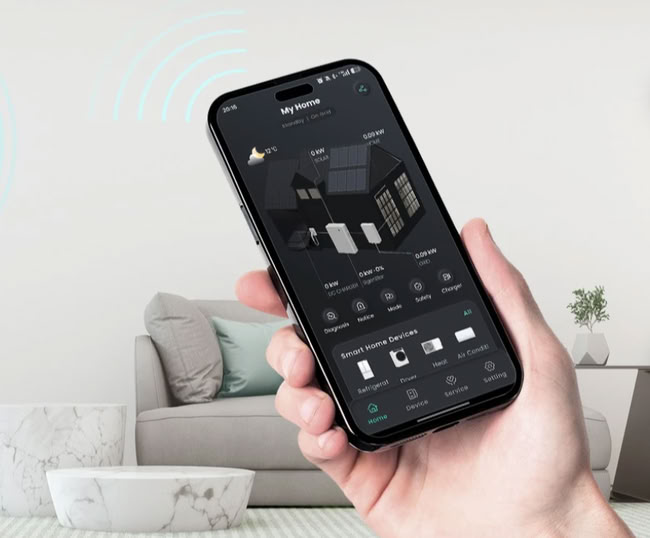
The monitor should also reveal rebound effects. If HVAC is delayed too aggressively, the system may run harder later and erase the benefit. If a pool pump schedule is shortened too much, water quality may suffer. Flexible load control works best when the household watches the result and adjusts boundaries rather than chasing the lowest possible runtime.
A good rule is to start with the least disruptive changes. Move a pump into solar hours, shift laundry away from peak pricing, or pre-cool slightly before the expensive window. The monitor can then show whether the change actually reduced grid import, improved solar use, or simply moved the same problem to another hour.
Seasonality should guide expectations. A pool pump may dominate spring afternoons, while HVAC may dominate late summer evenings. A monitor that lets homeowners compare weeks or months can prevent them from applying one schedule all year when the home actually needs seasonal rules.
A seasonal schedule should also be easy to change. If the homeowner has to call an installer every time the weather shifts, the system will probably fall back to old habits.
The most useful home energy monitor is often the one that finds the boring load that runs every day at the wrong time.