Anyone who has lived through a long outage knows backup power is not just about watts. It is about fuel in the garage, extension cords, noise at night, frozen food, work calls, and whether the system starts when it is needed. Generators and batteries can both help, but they solve the problem in very different ways.
What a Generator Does Well
A generator makes electricity from fuel. That is still useful for long outages, especially in cold climates or rural locations where solar production may be limited for days. A properly installed standby generator can support large loads, and fuel can provide long-duration energy if supply is available.
The drawbacks are practical. Engines need maintenance. Fuel must be stored safely or delivered during the same emergency that caused the outage. Portable generators must be placed outdoors to avoid carbon monoxide risk. Noise may also be a serious issue in dense neighborhoods.
For some homes, a generator remains a good long-duration backup layer. It is just not the only option anymore.
What a Battery Does Differently
A battery does not create electricity. It stores it. That electricity can come from solar panels or the grid before the outage begins. When the grid fails, the battery can support selected circuits through an inverter.
The International Energy Agency reported in 2024 that battery costs had fallen about 90 percent over 15 years. That cost trend has made batteries more realistic for homeowners who want backup that is quiet, automatic, and useful on normal days too.
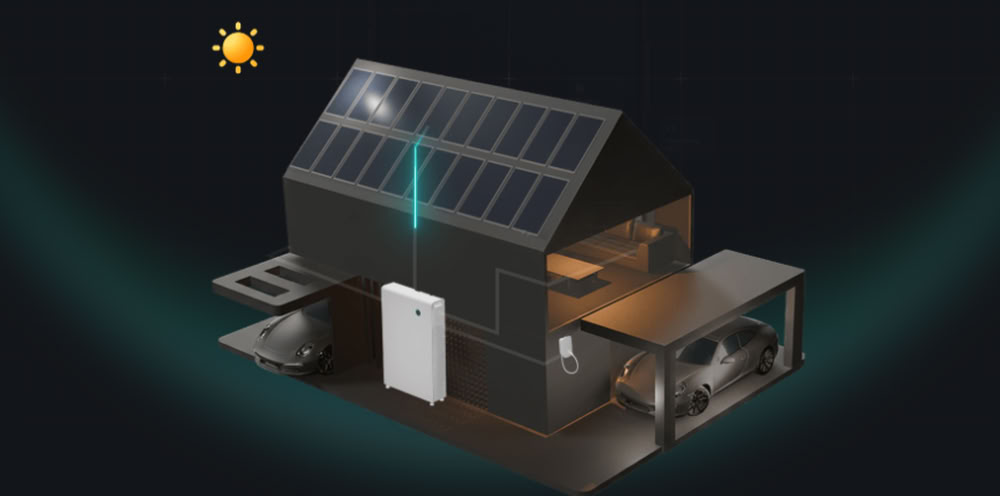
That daily usefulness is the big difference. A generator mostly waits. A battery can shift solar energy into the evening, reduce peak-rate usage, and keep reserve power ready. For homes comparing solar-plus-storage, SigenStor Neo is relevant because it brings storage, backup reserve, and energy strategy into the same household platform.
The Tradeoff Is Runtime Versus Routine Value
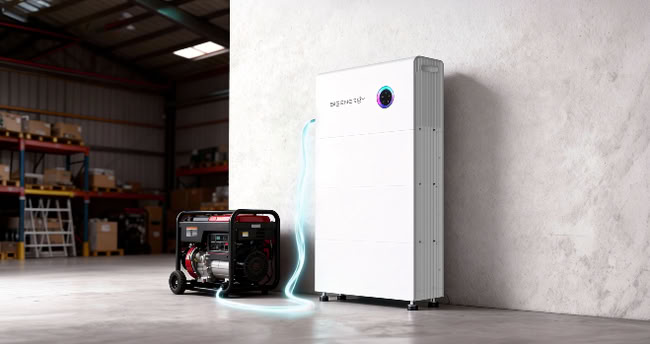
The best backup choice depends on the outage pattern. Short interruptions favor batteries because they can respond silently and automatically. Multi-day outages may favor a generator unless the battery can recharge from solar.
Homeowners should also think about which loads matter. A battery may comfortably support refrigeration, internet, lighting, a few outlets, and some smaller appliances. Large HVAC loads can require more capacity and careful design. A generator may be better suited to repeated high-power loads, although it brings the fuel and maintenance issues back into the conversation.
A hybrid plan can work well. The battery handles daily solar shifting and short outages. A generator, if still needed, becomes a secondary tool for rare extended events rather than the first response every time the lights blink.
Solar Changes the Battery Case
Solar panels give a battery a way to refill during daylight. That can stretch backup runtime and reduce dependence on fuel. But it only works if the system is designed to keep operating safely during a grid outage.
Backup hardware matters here. A home may need dedicated load control, automatic transfer behavior, and circuit prioritization. That is why pairing storage with a home energy gateway can be more useful than simply adding a battery and hoping the rest of the electrical system cooperates.
The practical test is straightforward. If the homeowner wants quiet backup, daily solar use, and less dependence on fuel, a battery-centered design deserves serious consideration. If the home expects long outages with heavy heating or cooling loads and limited solar recharge, a generator may still have a role.
The better answer is not ideological. It is the system that keeps the right loads running with the least friction when the grid is unavailable.